About Edward Petty

Consultant with Petty, Michel & Associates, Author of Marketing Manager System, the Goal Driven Business www.GoalDriven.com. Father and grandfather, husband, student, active in athletics, and in health and environmental causes.

Preparing for a Powerful New Year in Your Chiropractic Healthcare Business

Previously posted on (Goal Driven.com)

petty michel and associates end of year business preparation checklist

42 more days until a New Year is here.

Before we know it, it will be at our morning doorstep. Like a happy eager dog ready to be taken for its morning walk, tail a wagin’.

But before we look at all what is coming, we have the next few weeks to wrap up 2025. This includes the Holidays, both in business and in our personal lives. We also have all the year-end admin details to complete.

NOW is the time to nail everything down — to plan the events and complete the admin tasks.

And while doing this, filling the end of the year with Christmas cheer, ready for 2026 — your best year yet!!

We’ll prepare for the New Year in a few weeks, but let’s finish off this year with a flourish. Consider these 4 actions:

  • Relationships. Focus on re-bonding with all your patients and supporters from this last year.
  • End of year care. Encourage them to come in and get care.
  • Referrals. Bring in their family and friends for an end of year check-up.
  • Year end admin checklist. Review and complete all year end admin duties that need to be done.

Most important is your connection with current and past patients and supporters.

Remember:

a practice is a network of relationships that is created and sustained through communication and service.

Be ready to take a little extra time to chat, to communicate, and to listen — and an extra “a cup of kindness, yet.”

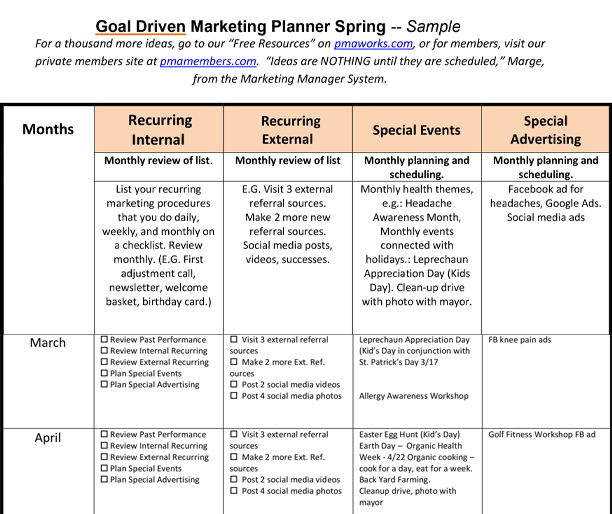
Marketing. I gave a list of some marketing activities you can do for November and December in a recent newsletter. You can review them here. Get those planned and going.

End of Year Administrative Checklist for Chiropractic and Healthcare Businesses

In addition, we have put together a short list of administrative items that should be reviewed and completed by year end for your chiropractic and healthcare office. It is by no means complete, but the idea is you want to get them taken care of as soon as possible, or at least scheduled, so you can focus your creative energies on launching your 2026.

Block 2-3 hours in early December to work through this list. Delegate sections to your manager, billing staff, and bookkeeper.

You can also contact Lisa who is an expert in these subjects. You can contact her anytime.

Just Ask Lisa! (Lisa@pmaworks.com)

The checklist covers these categories:

2025 ADMIN WRAP UP CHECKLIST

  • FINANCIAL & TAX
  • CREDENTIALING & LICENSING
  • EMPLOYEE ADMINISTRATION
  • INSURANCE & PATIENT ACCOUNTS
  • COMPLIANCE & OPERATIONS
  • BUSINESS ENTITY & LEGAL

Download the ADMIN LIST below and tend to the admin.

Meanwhile, have a great time with your patients over the next 6 weeks.

And let’s prepare for your best year ever – in practice, in business, and in life!

And stay…Goal Driven,

Ed

Download the Checklists HERE

Fun and Effective Promotions for November and December

food drive grocery cart for chiropractic and healthcare facilities

Spark Some Magic in Your Chiropractic Practice This Season!

Special Promotions for November and December 2025! These are loud and lively events that engage the entire team!

Why do them?

  • Increase new patients with great offers.
  • Energize less active patients and get them back.
  • Build greater team spirit for a shared purpose.
  • A reason to promote your office and let patients and your community know how active you are!
  • Increase your presence as the Health Hero’s in your community.

Even without an offer, just the fun of giving back will boost your visits and instill greater loyalty.

Read the full Goal Driver Newsletter at Goal Driven.com and checkout the fun, festive promotions that will spark magic in your office this holiday season!

2026 Marketing Habits for Your Chiropractic and Healthcare New Year

social media marketing for consistent marketing in the Chiropractic Practice for 2026

2026: The Year to Make Your Healthcare Practice Thrive

2026 will be a make-or-break year for healthcare business owners—potentially your best ever. More details in future newsletters, but for now: build unbreakable marketing habits starting today.


Trust: The Core of Healthcare Marketing

“We are what we repeatedly do. Excellence, then, is not an act, but a habit.” – Aristotle (via Will Durant)

You’re selling the invisible—outcomes patients can’t see upfront. That’s why trust is everything. Build it through:

  • Consistency
  • Empathy
  • Proven Results

Your brand = how you consistently show genuine care and deliver excellence.


The #1 Killer of Momentum?  Stopping What Works

I’ve seen it repeatedly:
Q: “What were you doing when patient numbers were high?”
A:

  • “We sent newsletters.” → Not anymore.
  • “We called new patients post-visit.” → Nope.
  • “We did thorough financial consultations.” → Are you kidding? No!”

Stopping proven tactics = death by roller coaster.
You lose trust, momentum, and the systems that made it effortless.


Your Fix: The Recurring Marketing Checklist

Discipline is hard—but checklists make it stick. Systems atrophy without them.

Monthly Discipline Hack:

  1. List your top 10 internal + external marketing actions (70–80% of your total efforts).
  2. Assign ownership to your manager.
  3. Review at every staff meeting.
  4. Grade % completed—full accountability.

Layer In: Special Promotions

With recurring actions locked in, plan 2–3 months ahead for:

  • Facebook ads with a partner
  • Food drive with a local pantry (especially needed now)
  • Health talk at a yoga studio

Deliverable:Monthly Marketing Planner
→ % of recurring actions completed
→ # of special promotions scheduled


Let’s Make 2026 Your **Best Ever**

Download Free Tools:[LINK]
— Ed

The 4-Hour Fix for the Chiropractic Healthcare Practice Roller-Coaster

the ups and downs of the Practice Roller Coaster stay Goal Driven to stay up

One Simple Role to Streamline Chiropractic Marketing and Growth**

Chiropractic practices often face inconsistent growth due to a Practice Roller Coaster, where marketing drives patient numbers up, but attention shifts to patient care, staff management, and other tasks, causing marketing to stall. This leads to fluctuating growth. To address this, assigning a trusted staff member as a part-time Marketing Coordinator (4 hours/week) can ensure consistent marketing efforts. Their role is not to handle all marketing but to keep systems like recalls, referrals, and metrics tracking active.

The Marketing Manager System, developed by Edward Petty in the early 2000s, emphasizes four key issues: marketing fails when it’s not done, no one is in charge, insufficient time is allocated, and the coordinator needs support and accountability. To succeed, the clinic director should schedule weekly marketing time, hold monthly planning meetings, track metrics with charts, and ensure accountability through written plans and reports. This approach eliminates marketing bottlenecks, sustains momentum, and reduces stress, helping practices grow steadily.

Note: A Monthly Marketing Manager Program to support coordinators with training and systems is planned for launch soon.

Building a Practice Through Relationships

a happy bus driver like a chiropractor with happy people on their bus

Advertising has always been important. When we grew our Wisconsin network to 25 offices, we invested heavily in newspapers, shared mailers, radio, and even TV. Today, the focus has shifted to social media, SEO, and now Artificial Intelligence — positioning your practice for AI discovery will soon be essential (more on that later!).

But advertising is expensive. What truly sustained our growth was relationship marketing — connecting authentically with patients, referral sources, and our own team.

What Is Relationship Marketing?

Relationship marketing involves creating trust-based relationships with patients and referral sources, generating loyalty and organic referrals through genuine care and ongoing connection.

Examples:

  • Host a community event like a holiday food drive — invite patients and their families to participate and offer consultations in exchange for donations.
  • Encourage patients to refer loved ones with a personal touch (“Let’s check your spouse before their next soccer game!”).
  • Build partnerships with local professionals — massage therapists, trainers, or nutritionists — and support each other through referrals or shared promotions.

Your Most Important Relationships

Don’t overlook your team. When doctors and staff work together with shared purpose and positive energy, patients notice. It’s almost magnetic — phones start ringing and old patients return.

As Stephen Covey reminds us in The 7 Habits of Highly Effective People, success comes from empathy, communication, and a win-win mindset that creates synergy — or, as some might say, Universal Intelligence at work.

GETTING AND KEEPING PEOPLE ON YOUR BUS

As a doctor and clinic director, you are like a bus driver. You aim to make sure you are on time and complete your shift according to schedule.

One day, you turn around to look at the back of your bus and wonder why there are so many empty seats. “Where is everyone?”

Well, maybe you missed some stops and the people never got on! Or, you didn’t take time to say “hi” when they boarded, so they all left at the next stop. Or, you were so busy driving, you didn’t ask about your assistant’s new workout routine.

Take time to connect with people.

More than anything, you are in the people business.

Enjoy the ride!

Ed

“What’s Wrong with a Chiropractic and Healthcare Personality Practice, He Asked?”

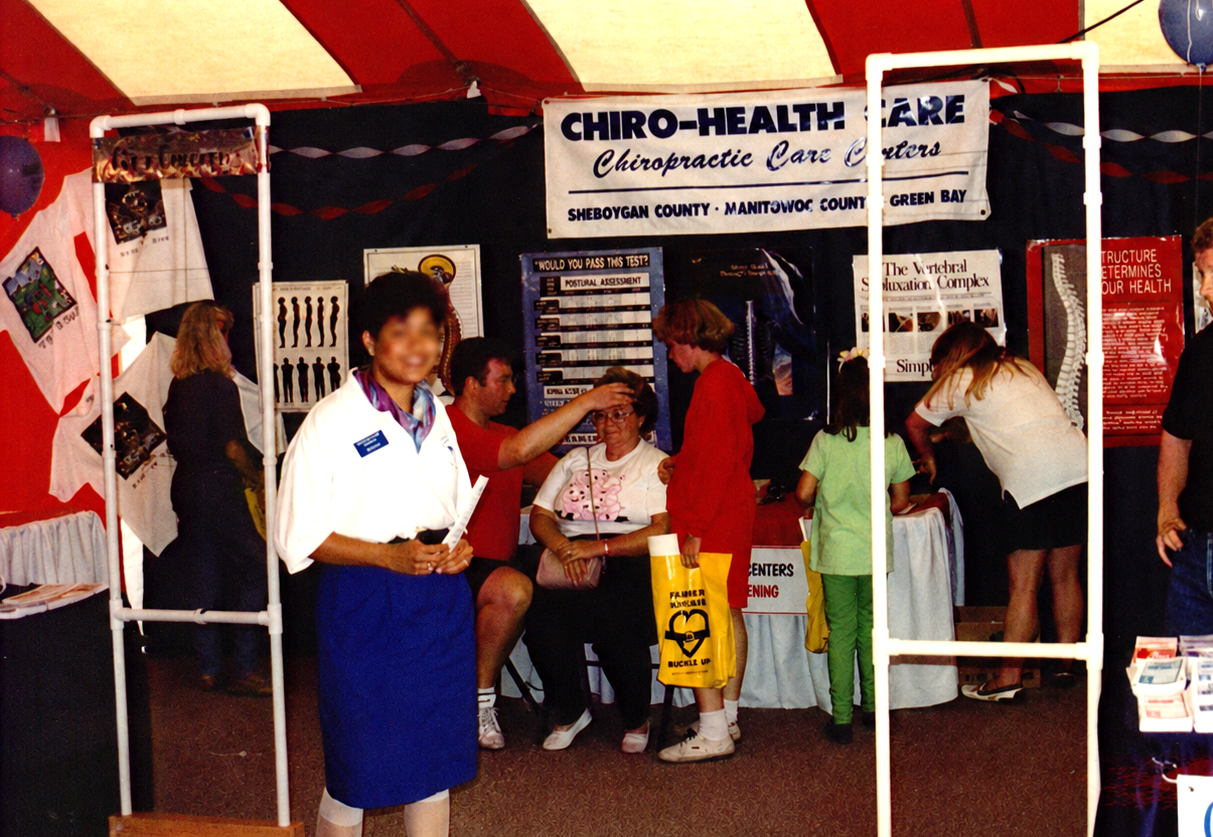
a group of women sitting at a chiropractic vendor booth waiting for potential clients to stop by and visitJust wrapped up an outstanding chiropractic convention put on by the Wisconsin Chiropractic Society here, you guessed it, in Wisconsin!

We enjoyed catching up with old friends, some we’ve known for decades. And making new friends.

For more on the Convention, you can check out our Facebook site, link below.

Personality Practice

While I was out listening to a presentation, I was told that a doctor dropped by the booth and asked about my book, The Goal Driven Business. He was told that it was about how to improve profits and outcomes by shifting from a personality-driven practice to one that was goal-driven. He felt that the personality practice was better.

I am sorry I wasn’t there to explain more – and hopefully he is reading this email.

Let me explain: A Personality Driven practice is propelled by the doctor’s behavior – their feelings, attitudes, and habits. What they personally do.

When opening a new office, the new business owner, of course, builds their new business on their behavior. It is their ambitious determination that is driving the initial growth of the practice. So, yes, a Personality Driven practice works at the launch of a new endeavor. What else is there? A dream, and the raw desire to manifest it.

So, the Personality-Driven practice works — at first.

However, after the practice is up and running, it needs to transition into a Goal Driven and systematized business.

The concept of a systematized business was hugely popular in the 1980s, thanks to Michael Gerber’s book, The E-Myth. In it, he says:

“The system runs the business. The people run the system.”

B. J. Palmer said something similar, much earlier. And he built a school that many of you may have attended. In his book, Up From Below the Bottom, he says:

“The size of a chiropractor’s business depends upon:

1st – His ability to notify people who he is, what he is, and where.

2nd – His systematization to take care of it as it grows and increases in volume.”

Gerber comically explains what happens when you don’t have systems running your business.

“If your business depends on you, you don’t own a business—you have a job. And it’s the worst job in the world because you’re working for a lunatic!”

–Making the Shift from Personality Driven to Goal Driven–

Making the SHIFT from a Personality Practice to a Goal Driven business is not easy. This is because you have established survival habits that have shown you that the practice depends on you, your feelings, attitudes, and overall behavior. You are the doctor, after all. You see the practice as DOCTOR-CENTERED.

A better approach, I recommend, is to keep it GOAL-CENTERED.

There are two echelons of goals to consider:

  1. Higher goals, including your purpose and “why.” This is your North Star.
  2. Practical goals, or outcomes. For example, you could have front desk goals (percentage of appointments kept), Billing and Collections goals (percentage of collections), and marketing goals (new patients and returning patients), and patient goals (patient completing tx program with an excellent review.)

Get your team on board with these goals. If you do, they can now help you put together the best approach to achieve your goals. These are the systems.

So: Personality Practice – YES! When starting a new business.

But once it is running, NO. Gradually back out and put in place goals and systems. And train your people on these.

For more details, read The Goal Driven Business.

If you want help with this, contact me. I’d love to help. (Been doing this for a while, so lots of tips!)

Services@pmaworks.com

Stay Goal Driven. Stay Free!

Ed

Photos of us and our friends at the Chiropractic Society of Wisconsin Fall Experience

Why Clear Roles Build a Stronger Chiropractic & Healthcare Practice

team players wearing staff hats front desk billing promotion marketing

Better teamwork, smoother operations, and improved patient care all start with clarity.

Years ago, I visited a chiropractic office where the doctor was frustrated: patients weren’t keeping appointments, and he blamed his front desk staff, “Sue.” The problem wasn’t effort—Sue was polite and friendly—but she had no clear job description, no checklist, and no real understanding of her responsibilities.

Once we clarified her role, outlined simple procedures, and scheduled regular reviews, the practice quickly improved. Patients kept their appointments, and both the doctor and Sue felt more confident and motivated.

This is a common issue: when roles are vague, results suffer. But when roles are clear, teams thrive.

The Three Elements of Every Role

According to the Goal Driven System, each role should include:

  1. Purpose – Why the role exists.
  2. Outcome – The measurable result it should achieve.
  3. Procedures – The specific actions to reach the outcome.

Example – Front Desk Role:

  • Purpose: Help patients achieve health goals by ensuring they stay on schedule.
  • Outcome: Patients consistently keeping appointments.
  • Procedures:
    • Greet every patient with a smile.
    • Answer the phone warmly.
    • Confirm each patient leaves with their next appointment scheduled.

 Action Steps for Your Practice

  1. Have every team member list their roles.
  2. Define the purpose, outcome, and 5–10 key procedures for each.
  3. Add measurable indicators (e.g., % kept appointments, total visits).
  4. Review and rehearse roles regularly, just like a winning sports team practices.

Clear roles create accountability, boost morale, and drive better patient care. Keep it simple, keep it consistent, and keep it fun.

Stay Goal Driven,

Ed

Want More New Patients in Your Chiropractic or Healthcare Practice? Start Here.

chiropractic team going over stats to improve care and service

Most doctors think the first step to getting more new patients is marketing. But that’s not always true.

Years ago, a large chiropractic office asked for help because their new patient numbers were slipping. After analyzing their situation, it was clear their promotions were weak—but the real problem went deeper.

The senior doctor, in practice for 20+ years, had become bored. Patient visits felt routine. Long-time staff were stuck in old habits. Meanwhile, the two younger doctors had enthusiasm but lacked confidence and experience.

We started by focusing on quality of care, not ads. The senior doctor began coaching the new doctors on cases and patient communication. Staff refreshed their service procedures and rehearsed ways to create a stronger patient experience.

The result? Without launching a single new promotion, new patients and visits went up. Only after that did we create a marketing calendar—because now they had something truly worth promoting.

The Lesson

Before you spend time and money on external promotions, make sure your practice delivers the kind of care that inspires patients to return and refer. Quality care and continuous improvement are the foundation of real growth.

As Stephen Covey said, “Sharpen the Saw”—renewal and improvement keep the drive alive.

Stay Goal Driven

Ed

Read the full article here: Goal Driven Blog

Don’t Get Left Behind

3 children playing football. Their goal is to play, win and have fun

Football Season, Chiropractic, and Winning Strategies

Football season is here—and it’s a perfect time to highlight chiropractic. Every professional football team has a chiropractor, proving that even million-dollar athletes rely on it to perform at their best.

Top athletes agree

  • Aaron Rodgers credits chiropractic (and his chiropractor father) for helping him stay at peak performance.
  • Tom Brady says adjustments make him feel taller and better aligned.
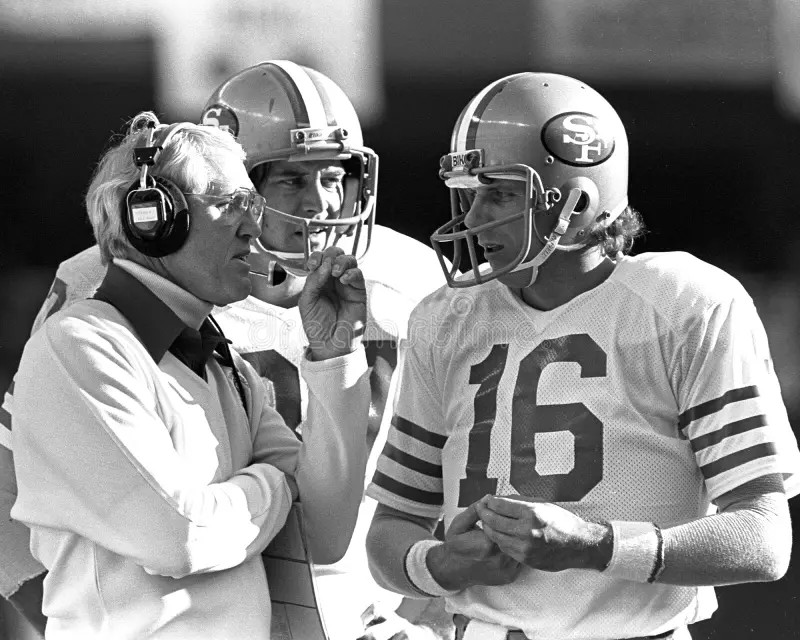
  • Joe Montana calls chiropractic a key part of his game.

If chiropractic works for them, imagine what it can do for local athletes and weekend warriors.

How to Market Your Services with a Sports Theme

Position your office as the place for athletes of all ages to boost performance, recover faster, and prevent injuries.

Ideas to promote chiropractic through sports:

  • Workshops:
    • The Injury-Proof Playbook: 8 Moves That Keep Athletes in the Game
    • Weekend Warrior Survival Guide: 8 Strategies for Active Families
  • Business Talks: Offer lunch-and-learns, screenings, or mini-chair massages.
  • Athlete Recovery Days: Host Monday Morning Quarterback Recovery sessions for post-game soreness.
  • Community Partnerships: Team up with schools, youth leagues, and local teams for education, sideline care, or screenings.

Promotion Tips:
Use your newsletter, office fliers, social media, and table talk. Assign a part-time Marketing Coordinator (3–5 hrs/week) and hold monthly planning meetings so every staff member contributes.

Build Your Own Winning Team

Think of your practice like a football team:

  • Have a game plan.
  • Play 4 quarters each month.
  • Work as a team.
  • Keep score (track progress).
  • And most importantly—keep it fun.

Chiropractic helps athletes win on the field. With the right marketing and team mindset, it can also help your practice win in the community.

Improving Case Acceptance and Patient Follow-Through in Chiropractic Care

chiropractor discussing patient finances and treatment plan with patient

Seven tips to help others achieve their health goals.

I often read promotions from other chiropractors emphasizing the importance of “Day 2.”

And I have no argument about this.

However, I have known chiropractors who did well with a 3-day onboarding process, as well as a 1-day process.

Everyone does what they feel comfortable with. You should, too. But you should always strive to improve. This will show up in your statistics;

  • First Visits to New Patient Percent
  • Patient Visit Average (Retention – Visits/New Patients)

We routinely monitor these with our clients and discuss them monthly in our management meetings where we set up monthly strategies for improvement.

There are many details involved in setting up the best practice for onboarding patients. Again, everyone has an individualized approach.

I want to highlight seven factors that are sometimes overlooked.

In Chiropractic, It Starts With Trust


  1. Day 1. Before working on your Day 2, review your Day 1.Your prospective patient wants to know that you know them. Seek to really understand them and their complaint. It’s OK to go off script – what are you curious about?The byproduct of this, aside from learning about their condition, is establishing trust. By reason of your genuine curiosity, you demonstrate that you care about them as an individual, not just as a “new patient.”
  2. Specific. After day 1, you know them, their subjective complaint(s), and have discovered the objective cause.In your Report of Findings, you want to be specific about what is causing their issue. “Right here, Mrs. Jones, you have a subluxation at L-4, irritating your low back and hip.”This may not be the words you use (or might not be clinically correct). But your patient wants to know definitely what is causing their issue. Be as specific and as objective as possible.
  3. Certainty and Confidence. Communicate clearly with confidence your ability to help them get better. This begins the healing.
  4. Patient Financial Consultation: Prepare chiropractic payment agreement forms in advance, using insurance or cash details. Ideally, staff should meet with patients before treatment to outline payment options, agree on the best form of payment, schedule appointments, review procedures, and provide information about available family discounts. *(Contact Lisa for tips on this procedure. She’s an expert!)
  5. Flow Chart. List all the key procedures on Day 1, Day 2, and each day thereafter that you and your team will do to start a patient on a care program and keep them coming back to complete their care plan. Review this list with your team every two months, or more as needed.
  6. Practice. How does every athlete or musician maintain their edge, let alone improve? They practice! Set aside your ego and practice with one of your doctors or a staff member. Let everyone participate in improving the procedures. Use the flow chart as a guide.
  7. Manager. Your practice manager should work with you regularly to ensure that these steps are in place. We cover this on our Practice MBA this October. Consider enrolling them in this program.

There are certainly more steps involved — but they all rest upon the foundation of the trust you built on Day 1. If you have low conversion or if patients are dropping out of care, look to Day 1 first and then work forward from there.

Help patients achieve their health goals and…

Keep them Goal Driven,

Ed

*Shout out to Dr. Brad Glowacki and his seminar that goes deeply into Day 1 and Day 2. [Link]

Hobby, Practice, Business. Which is it for You as a Chiropractic Doctor?

The 3 Phases of Practice Evolution

Is your work as a doctor a hobby, a practice, a business—or simply a job? Let’s explore.

1. HOBBY

Every practice begins as a hobby—or at least, it should. Early in your career, you’re driven by fascination with the science, philosophy, art, and technique of chiropractic. Your passion keeps you going, while business operations take a back seat.

2. PROFESSIONAL PRACTICE

The next phase is building a true professional practice. This stage is entrepreneurial and personality-driven, fueled by your presence and commitment. You create strong patient relationships and build loyalty through consistent care and connection.

3. PROFESSIONAL SERVICE BUSINESS

Finally comes the service business stage. Here, your practice is structured, systematized, and able to operate independently of your constant management. You may step into a CEO role or scale back to part-time patient care, but either way, the business runs on clear goals and proven systems. This is what people call “scaling.”

DIFFERENT PATHS, DIFFERENT GOALS

Not every doctor wants to build a business. I once knew a chiropractor who loved nothing more than adjusting patients. He wasn’t concerned with scaling or management systems. His secretary kept the office running, his patients were happy, and so was he. That was enough.

Most doctors, though, do want to grow—to serve more people, expand their caseloads, and run a strong practice while still enjoying their profession.

Then there are the entrepreneurial doctors who aim to scale beyond themselves. By setting goals and creating reliable systems, they can expand without adding more hours or overwhelming overhead.

But many who try to scale fall into what I call the Practice Roller Coaster. The excitement of practice gets buried under stress, inconsistency, and management struggles. What once felt like a calling begins to feel like just another job.

BREAKING THE ROLLER COASTER CYCLE

There are exceptions—many doctors do successfully build thriving service businesses. I’ve helped dozens achieve exactly that.

Five years ago, I wrote The Goal Driven Business after observing this cycle of burnout. In the book, I explain the hidden barriers to growth and outline the step-by-step process for building a scalable, independent practice.

If you find yourself on the Roller Coaster, here’s how to reset:

  1. Hobby – Fall back in love with chiropractic. Make practicing fun again.
  2. Professional Practice – Build and enjoy your patient community while earning a solid living.
  3. Professional Service Business – If you’re ready to scale:
    • Read The Goal Driven Business for a complete roadmap.
    • Or, reach out to me directly through our Goal Driven Consulting program for hands-on help building a profitable, self-sustaining business.

Take back your future. Build a business that runs without depending on your daily management.

Stay Goal Driven,

Ed


Preventing Procedural Atrophy in Your Practice

eroded asphalt highway

In any business, routines and procedures can slowly be shortened, skipped, or abandoned. When this happens, quality slips, and the practice begins to decline. I call this Procedural Atrophy, a key concept from The Goal Driven Business.

When results falter, doctors often try new approaches. These may work temporarily, but without consistent systems, the same decline sets in again. This creates the Practice Roller Coaster—a cycle driven more by personality than by clear goals and structure.

Think back to what you did when your practice was thriving. Did you call new patients after their first visit? Hold morning team huddles? Run patient education classes, progress exams, or referral drives? Chances are, when numbers dip, it’s because those proven actions have slipped away. The solution is often simple: return to what worked before.

 Solution 1: Set the Standard – Quality

Stand out in a noisy world by being consistent and excellent. Define exactly what a successful patient outcome looks like—for example, a patient who pays, stays, refers, feels healthier, understands their care, and is happy with their results.

Then, create brief checklists that outline the essential procedures needed to achieve this. Examples include:

  • Day 1, Day 2, and ongoing patient steps
  • Collections
  • Internal and external marketing
  • Team communication and coordination
  • Leadership and management

These checklists keep your practice systematic, repeatable, and reliable.

 Solution 2: Accountability Reviews

Consistency requires feedback. Use monthly statistics, chart trends, and review them with your team or a coach. This ensures everyone stays focused and motivated. Just like in life, accountability keeps us on track.

Bottom line: What you provide for your patients, team, and community is valuable. Don’t let your practice erode through neglect of the basics. Stay consistent, keep improving, and remain Goal Driven.

Ed

Scripts are Secondary in Your Chiropractic and Healthcare Practice

female chiropractor discussing care plan with patient

Why Scripting Can Fail—and How to Make It Work

A script is a prepared set of phrases, questions, or responses designed to guide staff or doctors in patient interactions. Whether word-for-word or just an outline, scripts help keep communication consistent, especially for new team members. But even the best script can flop if it’s missing one thing—authentic human connection.

Connection Comes Before Words

Think of connection like a radio signal. A carrier wave must exist before any music or voice can be transmitted. Without it, nothing gets through. In patient care, that “carrier wave” is trust and genuine interest. If it’s missing, your words—no matter how polished—won’t land.

I once had a doctor greet me after a minor surgery with a cheerful, “I can’t tell you even had it done!” It was a nice line, but it felt canned. The delivery lacked authenticity, so the message didn’t connect.

How to Create the “Carrier Wave”

  • Be authentic – Avoid sounding rehearsed.
  • Be curious – Take a few extra seconds to ask a follow-up question.
  • Recognize the person – Make patients feel valued and respected.

When you connect first, your scripted lines gain power and meaning. Without it, patients may feel unheard, leading to fewer new-patient conversions, lower follow-through, and less word-of-mouth.

Using Scripts Effectively

  • Review and practice scripts every couple of months.
  • Role-play different delivery styles (bored, overexcited, glum) to sharpen awareness.
  • Use scripts to keep patient conversations moving forward, not to replace genuine interest.

Bottom line: Scripts are useful tools—but they only work if you first connect with the human being in front of you.

For more helpful business tips visit our Goal Driver Blog [LINK]

Ed

The Power of Intention in Your Chiropractic and Healthcare Practice

In the daily routine of healthcare—especially chiropractic work—it’s easy to get lost in the mechanics: forms, schedules, insurance, and technology. But behind all that is something far more important: people.

You’re not just working on bones or adjusting spines; you’re working with *life*. Your mindset, intention, and emotional presence directly impact your patients’ healing. Research supports this: for example, a British study found **a 61% improvement in outcomes** when providers maintained a positive, optimistic attitude.

Some healing modalities—like certain chiropractic techniques and practices like Reiki—explicitly incorporate intention as a key part of their method. This isn’t just theory; there’s growing scientific evidence supporting it.

Practical Ways to Use Intention in Your Practice

1. Present Time Consciousness
Before seeing each patient, take a brief moment to focus. Set a clear intention for their healing. One doctor used a subtle button sound to remind himself to be fully present.

2. Reinforce With Positivity
After adjustments, reinforce the moment with confident, uplifting words like “That adjustment felt great,” or “This is going to help.”

3. Leverage Collective Intention
Studies, including those by author Lynn McTaggart, show that intention becomes more powerful when shared by a group. Apply this by:

  • Partnering with patients– Get their buy-in and visualize outcomes together.
  • Team meetings – Discuss and send focused intention toward helping specific patients improve.
  • Group classes – Encourage collective healing energy and goal-setting among your patient community.

Intention isn’t fluff—it’s a tool backed by experience and research. Use it deliberately, involve others, and watch your results shift.

Read the full article with references at:  Goal Driven.com

Ed

Coaching Your Chiropractic and Healthcare Patients

Consider adding this to your Report of Findings


“Mrs. Jones, it will take 3 things to get better.”

Many, many years ago, I heard this from an extraordinarily successful chiropractic doctor. He invited me to observe him discuss this in a report of findings with one of his patients.

I sat on the side, next to his knee-chest table, and with the patient’s permission, observed, paid attention.

The first part of the report was typical: a review of the findings, an explanation of the condition, a treatment plan, and a description of the potential consequences of not treating the condition.

Pretty standard, even now.

Then, he told the patient: “Mrs. Jones, it will take 3 things to get better: Time. Repetition. Effort.”

He then went over each point. For example, it is obvious that it takes time to improve anything. It also requires repeated applications, such as painting a house, cleaning out a garage, or watering a garden.

But the last element he emphasized: Effort.

Any improvement takes work, he said, and gave examples. These included activities such as performing home exercises to improve their condition, attending a class on spinal fitness, and simply making it to the office to maintain their schedule.

He was an athletic doctor, and I believe this influenced his approach. He was coaching his patient, much like an athletic coach would motivate a player.

Yes, you are a well-educated, skilled, and caring doctor. But consider your role as a coach as well. You want to get your patient, as a “player,” to improve, and you know what it takes. You want them to win. So – you tell them!

They have a responsibility, just as you do. Seek your patient’s agreement on these three ingredients for a successful course of treatment, and remind them at approximately every 6 visits.

I have seen this work. It also applies to all aspects of our lives whenever we want to improve something.

In fact, I remind the offices we work with that these are the 3 factors needed to improve their business.

Educate your patients. But coach your chiropractic and healthcare patients on what it takes to get better, and that is:

  • Time
  • Repetition, and
  • Effort.

Keep caring, coaching, and stay Goal Driven.

Ed

Should Old Acquaintances Be Forgotten in Your Chiropractic and Healthcare Practice?

Tips for Your Patient Newsletter

Your healthcare practice is built on relationships, sustained through service and communication. Without ongoing patient engagement—active or inactive—your practice may struggle. A newsletter is a powerful, affordable way to maintain these connections, extending your office’s warmth, excellent care, and positive outcomes to patients’ homes.

A well-crafted newsletter keeps the doctor-patient dialogue alive, portraying your office as a friendly, health-focused space. It drives retention, encourages referrals, and serves as a low-cost marketing tool. While often overlooked or outsourced to generic pamphlet companies, a newsletter’s impact lies in its authenticity and simplicity.

Crafting a great newsletter requires some skill, but the key is to just do it! Here are practical tips to make it effective:

  • Keep it concise: Aim for under 600 words. Include a brief doctor’s note, a health tip, a simple recipe, and a promotion.
  • Make it personal: Write as if chatting with a patient during a visit. Share a story, case success, or health advice like recommending a lumbar cushion. Have a staff member transcribe your thoughts, then edit for clarity.
  • Stay informal: Think of it as a casual check-in, like catching up with a friend or neighbor. Share what’s happening at the office in a warm, relatable tone.
  • Show genuine interest: Highlight your passion for chiropractic care through patient success stories or testimonials. Include family and friends in your outreach to broaden the connection.
  • Be authentic: Avoid generic or overly polished content. Patients value real, heartfelt communication over artificial or spammy material.
  • Frequency: Send monthly, though more often is fine if manageable.
  • Assign a coordinator: Delegate newsletter management to a staff member to ensure consistency.

Newsletter Checklist:

  1. Doctor’s Letter: A friendly note with a photo, written to one patient, tying into a case, event, or health tip.
  2. Office News: Share updates like new equipment, staff achievements, or recent seminars.
  3. Upcoming Events: Promote events like Patient Appreciation Day or a community 5K to show your office is vibrant.
  4. Patient Testimonial: Include a written or video success story.
  5. Recipe: Share a healthy, relatable recipe with a personal touch, like a family favorite.
  6. Health Tip (Optional): Offer a simple, relevant health suggestion.
  7. Use an Email Service: Avoid sending from personal email clients for professionalism.

Keep communicating with your patients to foster a thriving practice. Stay goal-driven!

Ed

He walked away when I asked, “Who is going to do it?”

distressed overwhelmed male business man When you are the bottleneck

Many years ago, I attended a large chiropractic conference. I was new to the profession and curious about how things worked.

One of the seminars at the conference was on how to generate new patients. There must have been several hundred in the room. The speaker was charismatic and had some sensible recommendations. The audience seemed enthused.

I was sitting in the back of the room. When the seminar was over, I was one of the first to leave and walk into the hallway where attendees began to cluster to discuss the presentation.

I remember one doctor in particular. He was tall and had his name tag with ribbons hanging down. I didn’t understand what the ribbons meant, but I figured he must have been important.

I asked him how he liked the seminar. He was deliberate, almost authoritative when he said that he liked it and was going to implement some marketing projects. I told him that I thought that was good.

But then, thinking about it, I asked him, “Who in your office is going to do it?”

I remember him looking down at me. He seemed perturbed, as if I had insulted him. He looked up and walked away. Didn’t say a word.

I’ll never forget it.

This was a long time ago, but it made an impression on me.

REMEMBER THE OLD MAXIM
“Do what you do best, and delegate all the rest.”

You can’t do it all.

In the beginning, when starting and growing your practice, yes, you pretty much had to do most everything.

But at some point, you must create other team members who are trained and motivated to share the load. I know practice owners know this, but it’s easier said than done.

This is why a manager is so vital to your practice. Your manager is the fulcrum point that helps you make a team. They are a servant to the team — as you are to your patients.

They help put in the systems that allow all your internal and external marketing procedures to be effective. And not just marketing. Standard procedures for patient retention, patient services, patient reimbursement, and so on.

They take the load off of you, so you are not the bottleneck!

We’ve found that most staff and managers are very willing and want to help their offices grow. But in most cases, they are not sure how, or how best to work with their team, or their doctor.

It is because of this we have developed our Practice MBA program.

Take time each week to train your team.

And for some of you, our manager training program is just what you need to answer the question,

“Who is going to do it?”

Stay Goal Driven,

Ed

P.S. Get on our Waitlist today to ensure you get a spot. First come first serve. Only 15 spots available this fall.  [LINK]

Should You Scale Your Chiropractic or Healthcare Practice?

chiropractic scaling graph

Scaling a chiropractic or healthcare practice involves more than just growth—it’s about achieving exponential progress through strategic systems. Unlike linear business growth, scaling leverages economies of scale, scope, learning, digitalization, and networking effects to accelerate success.

Key factors include reducing overhead, adding services carefully, improving skills through experience, and using efficient software.

However, scaling requires a solid leadership and management structure to avoid pitfalls like the “Practice Roller Coaster.” Whether aiming to expand one office, add doctors, or prepare for a sale, scaling can drive your goals. Specialized training on scaling will be part of an updated MBA program this fall.

Key Points:

  • Scaling vs. Growth: Scaling is geometric, not linear, leading to faster growth as you expand.
  • Critical Elements: Economies of scale, scope, learning, digital tools, and networking effects fuel scaling.
  • Foundation Needed: Agile leadership and management are essential to avoid instability.
  • Applications: Scaling suits single or multi-doctor offices and can prepare a business for sale.
  • Next Steps: Upcoming MBA training will cover scaling strategies.

Please let me know if you’re interested in this fascinating subject.

Meanwhile…

Help others achieve their goals!

Ed

For more details, contact Ed Petty, the author of the Goal Driven Business and founder of the Goal Driven MBA Program.

Read more about scaling here:  https://www.goaldriven.com/post/should-you-scale-your-chiropractic-healthcare-practice

Streamlining Patient Flow for Better Service Capacity in Your Chiropractic and Healthcare Practice

team meeting strategy planning for good setting good goals

A well-designed patient pathway enhances patient experience and increases a practice’s capacity by optimizing scheduling and treatment efficiency. Drawing from Eli Goldratt’s The Goal and the Theory of Constraints, identifying and resolving bottlenecks—such as delayed doctor’s notes, overwhelmed front desk staff, or unclear patient billing—can significantly improve patient flow. Common issues include administrative burdens at the front desk and patient confusion over charges, which can lead to missed appointments.

To address this, practices should map out key patient interactions (e.g., Day 1, Day 2, and Day 12) with the entire team, creating a clear flow chart of actions like payments, doctor visits, therapy, and financial consultations. Rehearsing this flow, like a sports team or musical group, helps identify redundancies or missing steps, ensuring a smooth, efficient process. This patient train follows a predictable track, helping patients understand their treatment plan and stay committed to their health goals.

By regularly reviewing and refining this pathway, practices can maximize capacity—potentially handling 40-70 daily visits plus 2-4 new patients—while improving patient satisfaction. Working on the business in this way keeps operations streamlined, helping patients achieve better health outcomes faster.

Be a Goalineer(sm) and keep your practice on track!

Read the full article online [LINK]

Ed

PS Want help with this? Contact me  If you have any questions about creating a Goal Driven Business, just schedule a call or reply to this email.

=================

PS: Get on our waiting list for our next MBA program if you are interested. I will be sending you special information about practice management, leadership, and marketing.

Sign Up Now for Fall 2025 Waitlist

———————————————

goal driven business www.goaldriven.com

For more information on how to create a more profitable business that is more fun than what you are doing now, please purchase and then use the book,

The Goal Driven Business at www.GoalDriven.com

What Do You Stand For In Your Chiropractic and Healthcare Practice?”

grandfather and grandmother reading a book to a toddler and coddling another

In your chiropractic and health practice, it’s not what you do, it’s why you do it.

In chiropractic and healthcare practices, defining your brand hinges on your “Why”—the core purpose or passion driving your work, as emphasized by Simon Sinek’s Golden Circle concept.

While most can explain what they do and some how they do it, articulating why you do it sets you apart and inspires others.

Your “Why” stems from deep motivations like justice, love, or curiosity, not just analytics. To build a strong brand, identify what makes your practice unique compared to competitors, as Roy Spence suggests in It’s Not What You Sell, It’s What You Stand For.

Know your patients, yourself, and your competition to highlight what you offer that others can’t. Stay connected to your purpose to avoid burnout, as Jon Gordon notes, and boldly define and discuss your unique qualities with your team regularly to maintain a distinctive, meaningful brand.

Jump here to read the Goal Driven Newsletter in it’s entirety.  [LINK]

Ed

References:

* Virgil, a Roman poet, 19 B.C.
Simon Sinek – Golden Circle